
Being a writer has never been up there in the great scheme of things of what I wanted to be when I’m older. One day, I dreamed of being a woman astronaut, the next, a planetary scientist, deciphering the galaxies’ secrets. Then there were the earthbound dreams – a historian excavating artifacts from the days of the ancients, a paleontologist piecing together prehistoric puzzles, or even a painter. My dreams were moulded from my childhood imaginary games, daydreams, storytelling, crafting and colouring paper doll dresses with secondhand dried felt-tip pens. I was a chameleon of ambition, unsure of my true calling, but my mother, bless her patient soul, always knew. She saw the glint of intelligence, the quick wit, the vibrant creativity, and the undeniable destiny for something “great.”
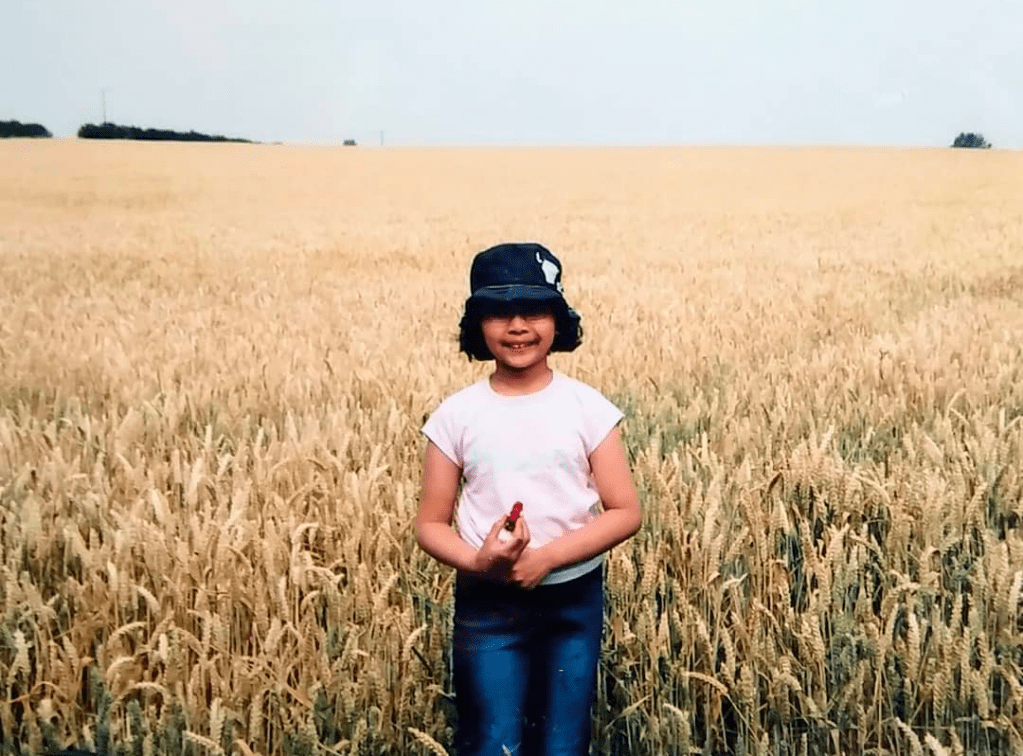
Things started happening when I was ten. One by one, my Malaysian school friends in the UK, whose parents had completed their work tenures or PhDs, began their journey home. Suddenly, recess and free time stretched before me, vast and empty. Playing alone felt like a hollow echo, and while my classmates were wonderfully kind to my awkward-shy me, their cliques and interests were a world apart from mine. Mobile phones were the stuff of luxury no kid in school could afford, and even if someone did have one, school rules would have banned them. I was left with nothing but time. An hour or sometimes more each day at school. Now what could a child do with so much time?
She reads.
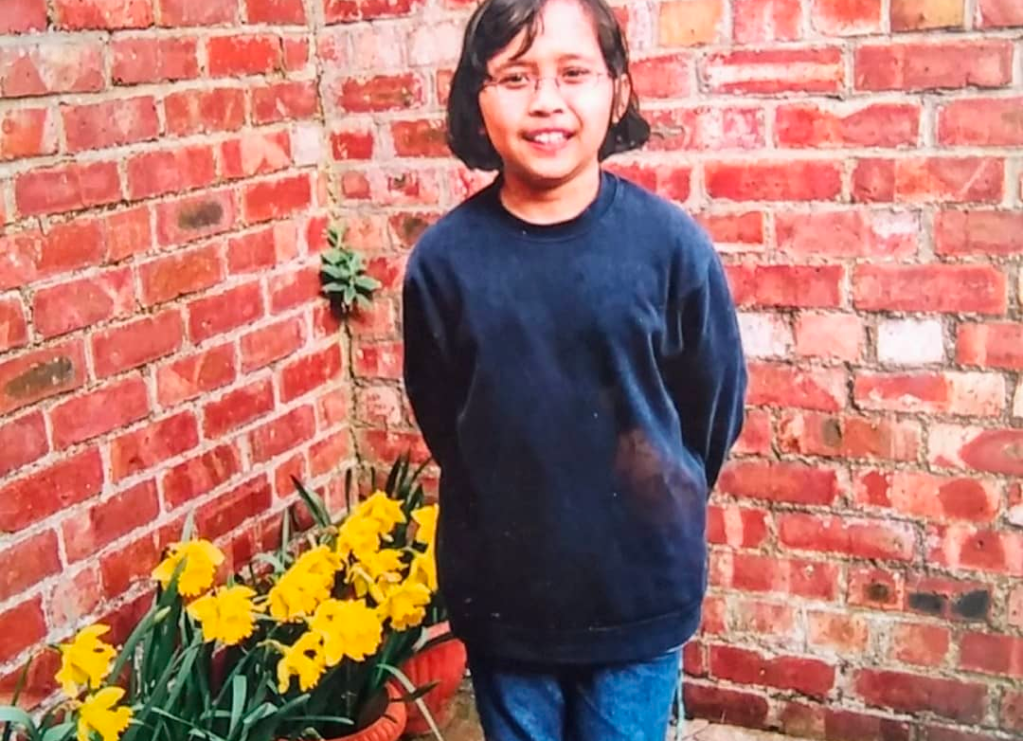
I can’t pinpoint the exact moment books entered my life. Was it because of my parents, my kind-faced schoolteacher, or perhaps a bit of both? Regardless, they convinced me that reading was a portal to endless fun, a magical hourglass where time simply melted away. I approached it with a hesitant, half-hearted skepticism at first. My past experiences with reading were scarred by the intimidating figure of my father, a strict tutor who’d made “Disney princess storytime” read-alouds feel like a grueling interrogation (Asian parenting 101). My reading journey began, as many do, with the simplicity of children’s classics. I devoured The Wizard of Oz, traveled alongside The Little Princess, and became utterly captivated by Jacqueline Wilson’s addictively relatable novels. From those early beginnings, my appetite for “real” knowledge also grew voraciously. I was absorbed in children’s encyclopedias and history textbooks. This intellectual curiosity gradually led me to more profound literary classics, then to the magical realms of The Chronicles of Narnia, and finally, to the explosive phenomenon that was the Harry Potter series. These books weren’t just stories; they unlocked worlds my own imagination, vivid as it was, could never have conceived on its own. They stretched the boundaries of my understanding, planting seeds of wonder and curiosity that would continue to blossom as I read and dreamed.
With a head full of imagination, it almost felt only too natural for a child to want to share this power with other children. Yet, even then, I was aware of the challenge of coaxing a fellow child to sit still, to truly listen, as I spun my own stories and discoveries. So, I found another way. My canvas became the reverse side of my mother’s discarded A4 research papers, precious remnants of her PhD pursuits. There, I wrote. I sketched. I colored my stories to life. And that, I realise now, was only the very beginning.
 wanywhiskers.com
Leave a comment